c. 1020–1071
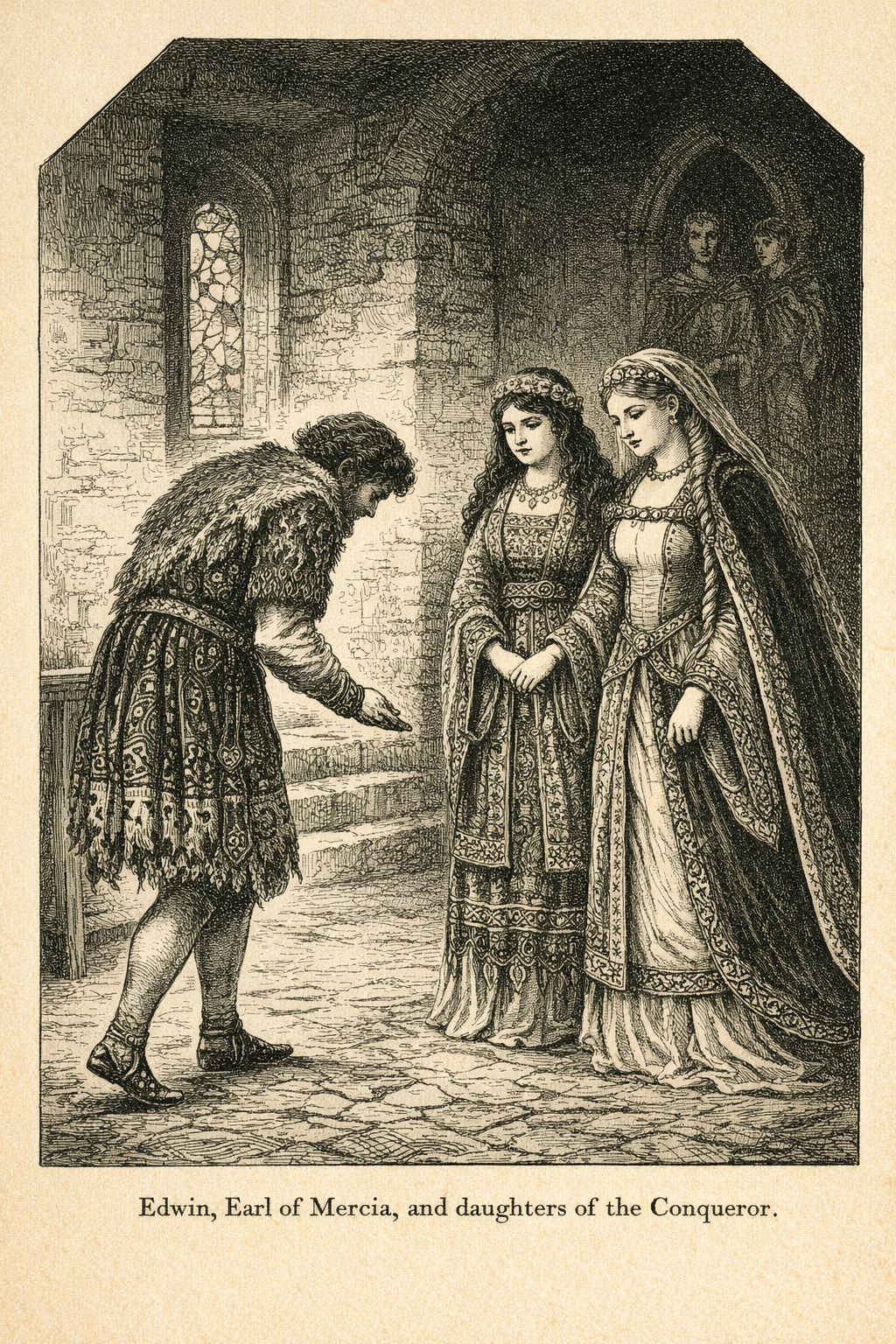
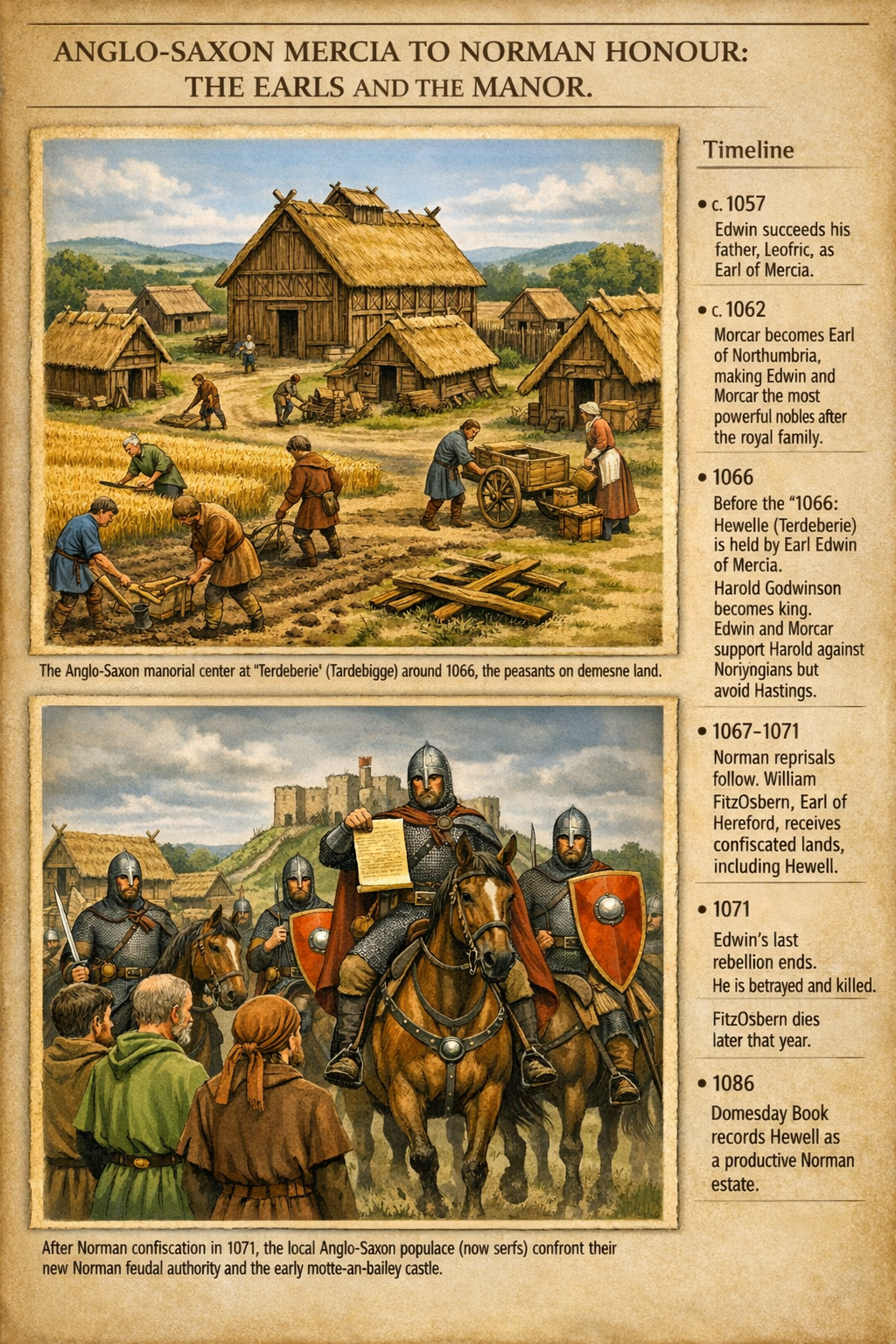
On the eve of the Norman Conquest in 1066, the manor of Hewell—then part of the wider estate of Tardebigge—was held by Edwin, Earl of Mercia. As the grandson of the legendary Lady Godiva and Earl Leofric, Edwin was one of the most formidable magnates in late Anglo-Saxon England. His lordship marks the final chapter of English comital ownership at Hewell before the fundamental shift of the Norman Conquest.
“In 1066 the manor of Hewell was held by Edwin, Earl of Mercia, one of the greatest magnates of late Anglo‑Saxon England. His death following the Norman Conquest led to the confiscation of Mercian estates, and Hewell thereafter passed into Norman hands.”
Historical Summary
Family and Status
Edwin was the son of Ælfgar and the grandson of Leofric, Earl of Mercia, and Lady Godiva. His family controlled the Kingdom of Mercia, which covered much of the Midlands, including the modern counties of Worcestershire, Warwickshire, and Staffordshire.
After the death of his father around 1062, Edwin became Earl of Mercia, while his younger brother Morcar became Earl of Northumbria. This made the brothers the most powerful non‑royal family in England leading up to 1066.
Edwin and Hewell
The Domesday Book (1086) records that the lands of Hewell (held under the manor of Terdeberie) had been held “in the time of King Edward” by Edwin. This reveals several key insights into Hewell’s mid‑11th century status:
- Hewell was part of the core Mercian estates rather than a peripheral holding.
- The land was sufficiently valuable to remain in direct comital (Earl) ownership.
- The estate was already a developed agricultural centre prior to Norman intervention.
The Domesday record implies a sophisticated manorial centre with organised demesne farming and dependent labour—the structural ancestor of the later monastic grange that would define the area.
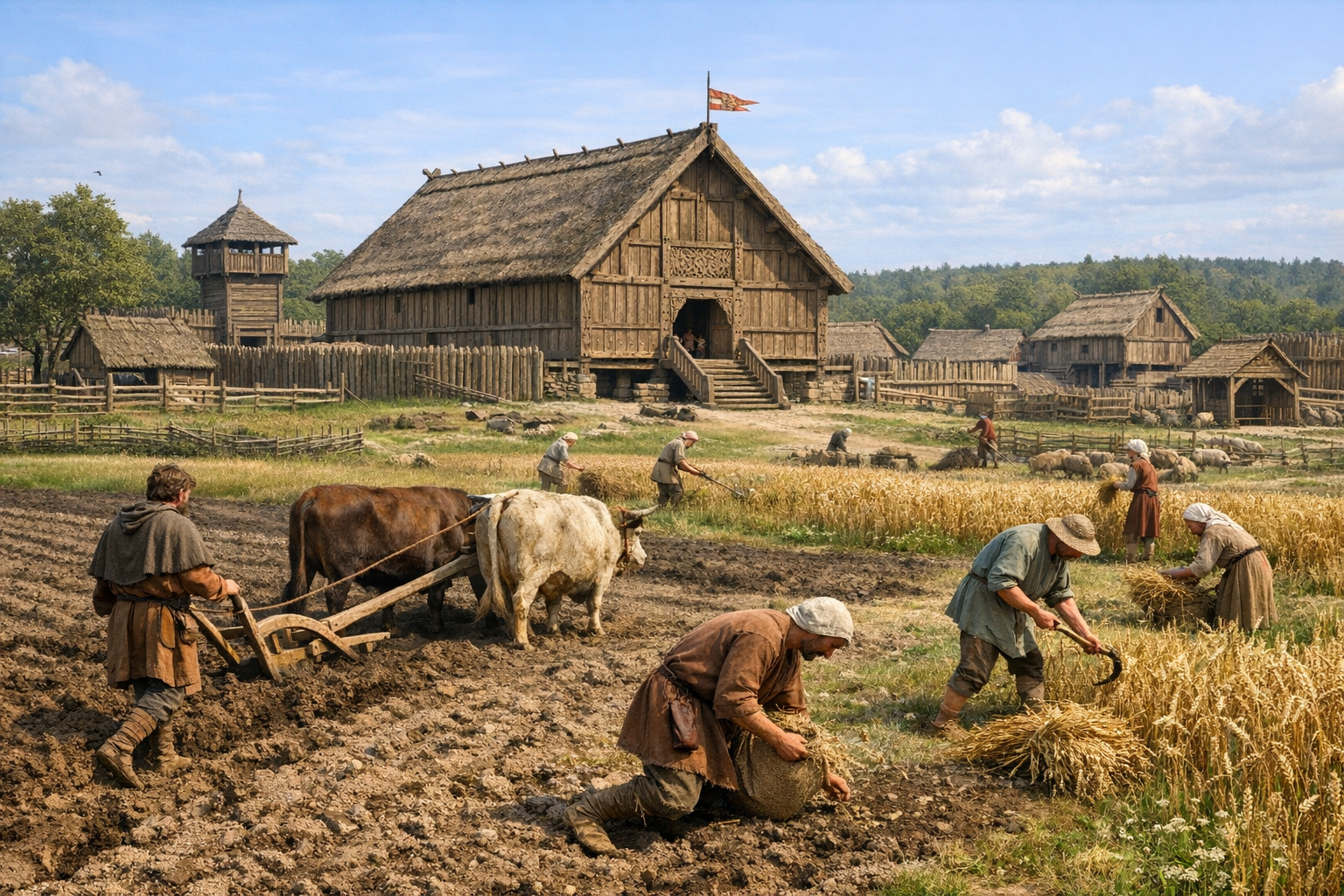
The Domesday record implies a manorial centre with organised demesne farming and dependent labour.
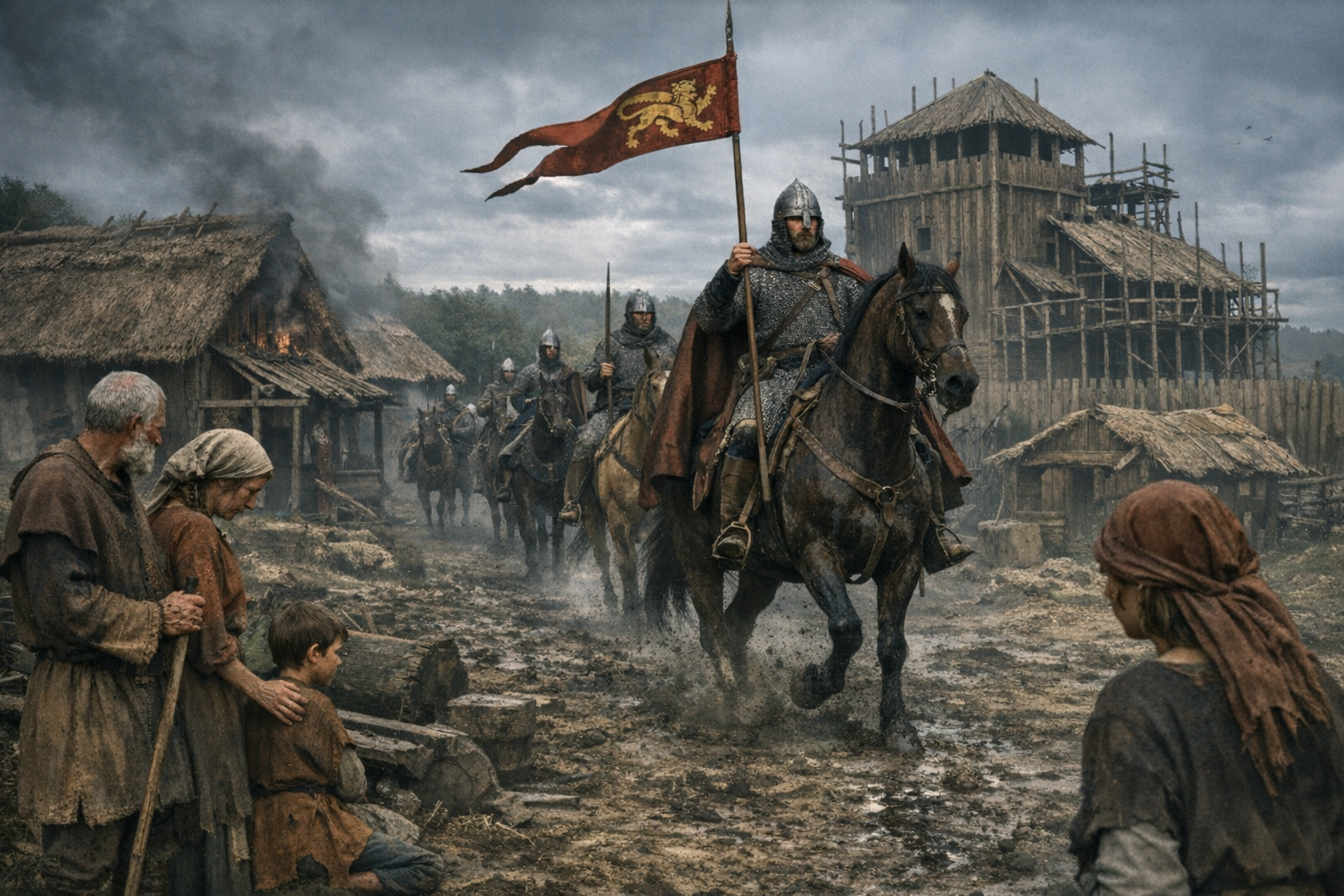
Mercian autonomy collapsed. His lands were confiscated and granted to William FitzOsbern.
Role in the Crisis of 1066
Edwin and Morcar initially supported the accession of Harold Godwinson and fought alongside him against the Viking invasion at the Battle of Stamford Bridge. Crucially, they were absent from the Battle of Hastings. While historical debate continues, many suggest this was a calculated decision to preserve Mercian forces or the result of a fractured alliance. This absence ultimately proved fatal to the Anglo-Saxon cause.
After the Norman Conquest
Following William’s victory, Edwin initially submitted but by 1068 joined a series of rebellions against Norman rule. These revolts failed, and Edwin was killed in 1071, reportedly betrayed by his own retinue while attempting to flee to Scotland.
With his death, Mercian autonomy collapsed. His lands were confiscated; in Hewell’s case, it was granted to William FitzOsbern, Earl of Hereford and one of the Conqueror’s most trusted advisors.
Historical Significance
From the perspective of Hewell’s long history, Earl Edwin represents the end of Anglo‑Saxon landholding and a clear break in elite continuity. The estate transitioned from the height of English comital control into the hands of the Norman "Marcher Lords." Following FitzOsbern's tenure, the manor’s integration into the Norman feudal landscape provided the foundation from which its later monastic and aristocratic history would develop.
- c. 1062: Becomes Earl of Mercia
- 1066: Lord of Hewell (Tardebigge)
- 1071: Death of Edwin
- 1071: Granted to William FitzOsbern
- 1086: Recorded in Domesday Book